A Claude Code Research Studio for a Documentary Producer
A private AI research and writing studio for a documentary producer pitching to Germany's largest public broadcasters. Hieronymus Vault combines an Obsidian-native knowledge base, a versioned stylometric corpus, custom Claude Code skills, and a multi-agent fan-out architecture. Idea to broadcaster-ready DOCX in under three hours. In his voice. Every claim source-traced.
- Location
- Hamburg, Germany
- Duration
- 2 weeks
The Challenge
A single documentary commission runs to six or seven figures and rides on a fifteen-page exposé delivered to a commissioning editor in precisely the right register. Documentary producers ship dozens of these every year. Each one demands deep historical research across continents, channel-portfolio gap analysis, expert casting, and writing in a voice the redaktion instinctively recognises. The work is creative; the substrate is engineering. Deterministic typography, claim traceability, voice fidelity under generation, and zero off-tone drift across hundreds of pages. One brittle output loses the commission. The client needed a system that multiplied his throughput without flattening his voice or his standards.
The Solution
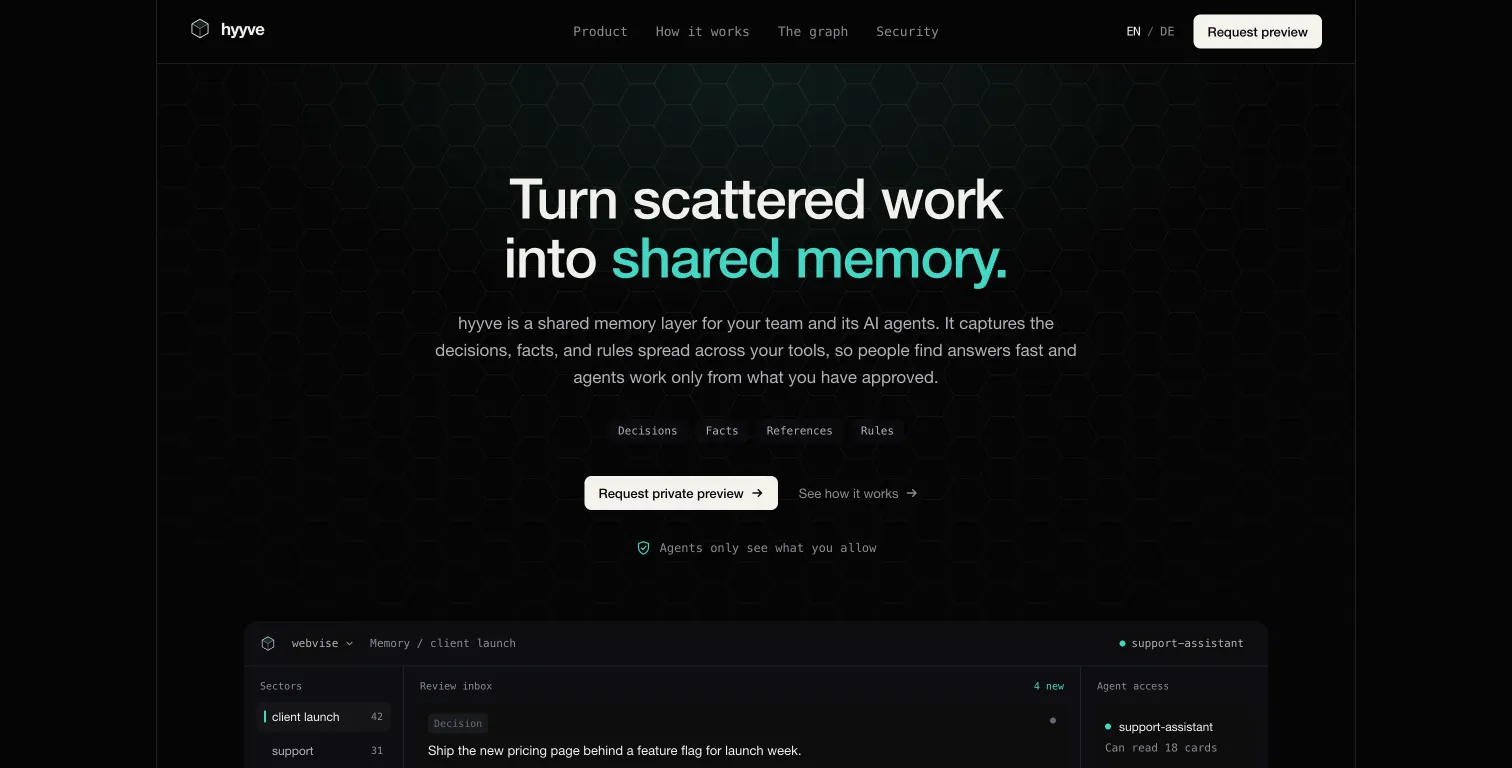
The answer was Hieronymus Vault: a Claude Code-orchestrated research studio around a single Obsidian vault that doubles as knowledge base, stylometric corpus, and append-only audit trail. Schema-validated YAML frontmatter across nine typed entity classes makes every note machine-navigable without a database layer. A semantic index sits over the vault's notes, sources, expert profiles, and archive entries to support cross-topic recall without leaving the orchestration loop. Eight of his existing pitches were reverse-engineered into a versioned voice corpus the model writes inside. A custom /zdfinfo-format skill loads that voice and dispatches parallel research sub-agents (document-specialist, scientist, executor, explore) across sources, expert casting, and channel-portfolio gap analysis. Each sub-agent runs in an isolated context window so research strands never bleed; synthesis happens at the main agent. An autonomous monitoring layer polls broadcaster commissioning portals, archival releases, and news feeds every thirty minutes around the clock. Final exposés render to broadcaster-ready DOCX in the publisher's corporate identity through python-docx templates with deterministic typography. A co-author roundtrip ingests every external edit back into the vault, diffs it against the previous draft, and feeds the stylistic delta into the voice corpus, so the system tunes itself per cycle.
Sebastian built me something I haven't seen on the market. A research studio that thinks in my voice, scans broadcaster feeds while I sleep, and renders the final DOCX in our publisher CI without me touching a single template. The vault is where my work actually lives now. I pitch more, sharper, faster.

Tech Stack
Start your project
Describe the workflow, users, tools, and constraints. webvise turns that into a clear build plan with timeline and budget before implementation starts.
Start a Project